Choosing the right piece of cardio equipment can make a huge difference in how motivated you feel and how consistently you train. Two of the most popular options for home gyms — treadmills and rowing machines — both deliver excellent workouts, but they do so in very different ways. Understanding those differences can help you pick the machine that best matches your goals, space, and workout style.
Below, we break down the strengths of each machine, how they compare, and what type of user each one is best suited for.
Why Treadmills Remain a Home‑Gym Favorite
If your goal is to boost your cardio fitness with something familiar and easy to use, a treadmill is one of the most straightforward choices you can make. Walking, jogging, and running are movements everyone already knows, so there’s no learning curve — you simply step on and go.
Customizable Workouts for Every Fitness Level
One of the biggest advantages of a treadmill is the ability to control your workout with precision. You can adjust speed, incline, and duration to match your fitness level or training goals. Want to simulate a steep hill climb? Increase the incline. Prefer a gentle warm‑up or recovery walk? Dial the speed down. This flexibility makes treadmills ideal for beginners, seasoned runners, and everyone in between.
Built‑In Programs and Smart Features
Modern treadmills often come loaded with features designed to keep your workouts engaging. Interval programs, heart‑rate‑based sessions, and fat‑burning modes can help you mix things up. Many models also sync with apps or include touchscreen displays that track your stats in real time. Seeing your pace, distance, and calories burned can be incredibly motivating — especially when comparing the effectiveness of a treadmill vs. a rowing machine.
Perfect for Multitaskers
If you like to watch TV, listen to podcasts, or catch up on your favorite shows while working out, a treadmill makes it easy. Set it up in front of a screen, press start, and get your steps in without feeling like you’re grinding through a workout. For busy people who struggle to carve out time for exercise, this convenience can be a game changer.
Rowing Machines: A Full‑Body Powerhouse
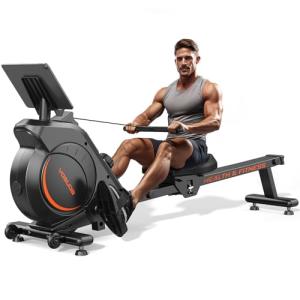
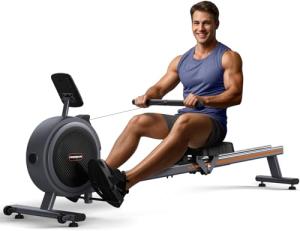
If you’re exploring the treadmill vs. rowing machine debate, it’s important to understand what makes rowing such a unique and efficient workout. Unlike treadmills, which primarily target the lower body, rowing machines engage nearly every major muscle group — legs, core, back, and arms — all in one smooth motion.
A True Full‑Body Workout
Rowing is one of the few cardio exercises that blends strength and endurance seamlessly. Each stroke requires leg drive, core stability, and upper‑body pulling power. This means you burn calories quickly while also building muscle and improving posture. For people who want maximum results in minimal time, rowing is hard to beat.
Low‑Impact and Joint‑Friendly
One of the biggest advantages of rowing is how gentle it is on the joints. The fluid, seated motion reduces stress on the knees, hips, and ankles — making it ideal for anyone with joint sensitivity or those recovering from injury. You can push yourself hard without the pounding impact that sometimes comes with running.
Adjustable Resistance and Performance Tracking
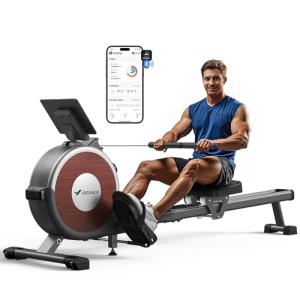
Most rowing machines allow you to adjust resistance levels, giving you control over how challenging your workout feels. Many models also include performance monitors that track distance, split times, strokes per minute, and calories burned. These metrics make it easy to stay motivated and measure progress over time.
Compact and Space‑Efficient
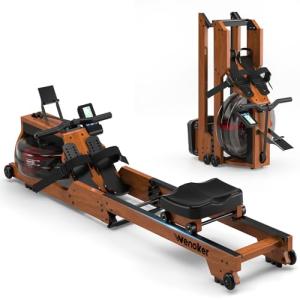
Rowing machines typically take up less space than treadmills, and many can be stored upright or slid under a bed. If you’re working with a smaller home gym area, this can be a major advantage.
Benefits of Treadmills for Cardio Enthusiasts
For people who love traditional cardio, treadmills offer a familiar and effective way to train. Running and walking are natural movements, and treadmills allow you to do them anytime — regardless of weather, daylight, or outdoor conditions.
Versatility for All Training Styles
Whether you prefer steady‑state cardio, interval training, or incline walking, a treadmill can handle it. You can tailor your workout to your mood, energy level, or long‑term goals. This versatility is one of the reasons treadmills remain one of the most popular pieces of home fitness equipment.
Motivation Through Tracking
Heart‑rate monitors, calorie counters, and distance tracking help you stay accountable and motivated. Watching your numbers improve over time can give you a strong sense of progress and keep you coming back for more.
Convenience for Busy Schedules
With a treadmill at home, you can squeeze in a workout anytime — early morning, late at night, or during a quick break. No commute, no waiting for equipment, and no weather excuses.
Why Rowing Machines Are Excellent Alternatives
Rowing machines shine for users who want a more dynamic, full‑body workout that blends cardio and strength training.
Strength + Cardio in One Machine
Rowing challenges your muscles while elevating your heart rate, making it one of the most efficient workouts available. You can focus on speed for cardio conditioning or increase resistance to build strength.
Ideal for Low‑Impact Training
If running bothers your joints or you simply prefer a smoother motion, rowing is a fantastic alternative. It’s intense without being harsh, making it suitable for all ages and fitness levels.
Space‑Saving Design
Many rowing machines fold or store vertically, making them perfect for apartments, small rooms, or multipurpose spaces.
Summary & Recommendations
Both treadmills and rowing machines offer excellent benefits, but the best choice depends on your goals, preferences, and available space.
Choose a Treadmill If You Want:
- A familiar, easy‑to‑use cardio workout
- Adjustable speed and incline for versatile training
- The ability to multitask while exercising
- A machine that supports walking, jogging, and running
- Built‑in programs and progress tracking
Choose a Rowing Machine If You Want:
- A full‑body workout that builds strength and endurance
- Low‑impact training that’s gentle on joints
- A compact machine that saves space
- Efficient calorie burning in shorter sessions
- A blend of cardio and resistance training
Final Recommendation
If your primary goal is traditional cardio, a treadmill is the clear winner.
If you want total‑body conditioning with less joint impact, a rowing machine is the smarter choice.
For many home gyms, the ideal setup is eventually having both — but if you’re choosing just one, let your goals and workout style guide you.