Beginning a home workout routine is one of the smartest decisions you can make for your health – and you don’t need a full gym to get started. With just a few essential pieces of equipment, you can build strength, improve mobility, boost your cardio, and stay consistent without leaving your living room. This guide breaks down the best home workout equipment for beginners, why each item matters, and how to choose gear that fits your space and budget.
Why the Right Starter Gear Matters
When you’re new to working out at home, the goal isn’t to buy everything at once. It’s to choose simple, versatile tools that help you build confidence and create a routine you’ll actually stick to. The right equipment:
-
Makes workouts safer and more comfortable
-
Adds variety so you don’t get bored
-
Helps you progress gradually
-
Fits easily into small spaces
-
Keeps your budget under control
Let’s walk through the essentials every beginner should consider.
1. Supportive Sneakers: Your Foundation for Every Workout
Even if you’re exercising at home, a solid pair of sneakers is non‑negotiable. Proper footwear protects your joints, improves stability, and reduces fatigue – especially during cardio, strength circuits, or bodyweight training.
What to look for:
-
Good cushioning
-
Arch support
-
A stable heel
-
Lightweight design
If you’re doing a mix of cardio and strength, choose a cross‑training shoe rather than a running‑only model. Your feet (and knees) will thank you.
Need help choosing the right pair? Check out our guide on Choosing the Right Gym Shoes for Home Workouts.
2. A Quality Exercise Mat for Comfort and Safety
An exercise mat is one of the most versatile pieces of home workout equipment for beginners. It creates a cushioned, non‑slip surface for:
-
Yoga
-
Pilates
-
Stretching
-
Core workouts
-
Bodyweight exercises
A good mat protects your joints, keeps you stable, and makes floor exercises far more comfortable.
What to look for:
-
Thickness between 6mm–10mm
-
Non‑slip texture
-
Easy‑to‑clean material
This is a low‑cost upgrade that instantly improves your workout experience.
3. Dumbbells: The Most Beginner‑Friendly Strength Tool
Dumbbells are a staple for building strength at home. They’re compact, easy to use, and incredibly versatile – perfect for beginners learning basic movement patterns.
You can use dumbbells for:
-
Squats
-
Lunges
-
Shoulder presses
-
Rows
-
Chest presses
-
Bicep and tricep exercises
Start light (5–10 lbs depending on your comfort level) and increase gradually as you get stronger.
Space‑saving option:
Adjustable dumbbells give you multiple weight levels in one compact set, making them ideal for small spaces.
4. Resistance Bands: Lightweight, Affordable, and Effective
Resistance bands are one of the best budget‑friendly tools for beginners. They add controlled resistance to movements without requiring heavy weights, making them perfect for strength training, toning, and mobility work.
Benefits include:
-
Extremely portable
-
Easy to store
-
Great for warm‑ups
-
Joint‑friendly
-
Suitable for all fitness levels
Loop bands, long bands, and tube bands all offer different training possibilities – and most sets cost less than a single pair of dumbbells.
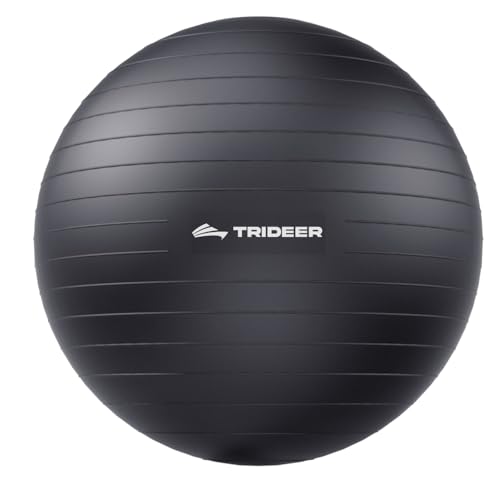
5. Stability Ball: Build Core Strength and Balance
A stability or exercise ball is a fun, functional tool that helps improve balance, posture, and core strength. Beginners can use it for:
-
Ab exercises
-
Back extensions
-
Glute bridges
-
Stretching
-
Seated balance work
It even doubles as an active‑sitting chair while you work or watch TV.
Tip: Choose the right size based on your height – most beginners do well with a 55cm or 65cm ball.
Budget‑Friendly Gear That Works in Any Space
Starting your fitness journey doesn’t require expensive equipment. Many beginner‑friendly tools are affordable, compact, and easy to store.
Top budget picks:
-
Resistance bands – usually under $20
-
Jump rope – great for cardio without a treadmill
-
Exercise mat – essential for comfort and stability
-
Light dumbbells – inexpensive and versatile
A jump rope deserves special mention: it’s one of the most effective calorie‑burning tools you can buy, and it fits in a drawer.
Smart Storage Solutions for Small Spaces
You don’t need a dedicated home gym to stay consistent. With a few clever storage ideas, even the smallest apartment can become a functional workout zone.
Use vertical space
Wall‑mounted hooks or racks keep mats, bands, and jump ropes organized and off the floor.
Choose multi‑purpose furniture
Storage ottomans or benches can hide dumbbells, blocks, or small accessories while doubling as seating.
Pick compact gear
Foam rollers, bands, and kettlebells can slide under a bed or into a closet when not in use.
A tidy space makes it easier to stay motivated and stick to your routine.
How to Choose the Right Equipment for Your Goals
Not all gear is right for every beginner. Use these tips to choose equipment that fits your needs.
1. Assess Your Space
Measure your workout area and choose gear that fits comfortably. If space is tight, prioritize compact items like bands, mats, and adjustable dumbbells.
2. Identify Your Fitness Goals
-
Strength: dumbbells, kettlebells, resistance bands
-
Flexibility: yoga mat, stretching strap, stability ball
-
Cardio: jump rope, aerobic step, light weights for circuits
Your goals should guide your purchases.
3. Start Simple
You don’t need a full gym on day one. Begin with a few essentials and expand as your routine grows.
4. Stick to Your Budget
Quality matters, but beginners don’t need premium gear. Look for reliable brands, seasonal sales, or gently used equipment in good condition.
Final Takeaway
Building a home workout routine doesn’t require expensive machines or a large space. With a few essential pieces – supportive sneakers, a good mat, dumbbells, resistance bands, and a stability ball – you can create a balanced, effective fitness setup that grows with you.